
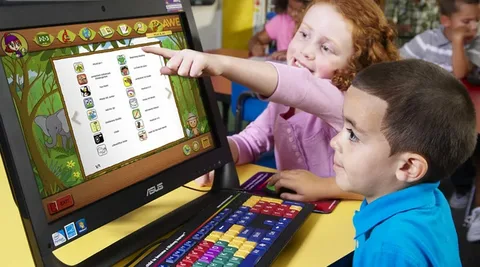

Digital Learning Games for Kids: A Modern Approach to Early Education
Kids have always been natural explorers. Even before formal schooling begins, children learn by touching, observing, experimenting, and asking endless questions. Their curiosity is the foundation of every great discovery. Today, this same curiosity meets technology—giving rise to digital learning games for kids, a new and powerful tool that blends play with education. In this blog, we explore how digital games shape modern learning, why they engage young minds better than traditional methods, what types of games exist today, and how teachers and parents can use them to support a child’s intellectual growth.
Why Digital Learning Games Matter Today
The world children grow up in today is drastically different from the world 50 years ago. Technology surrounds them from the moment they are born—tablets, mobiles, smart TVs, gaming consoles, and interactive content are part of everyday life. Because of this early exposure, digital learning games feel natural. These games combine play, exploration, and guided learning designed by educators. Research shows that kids understand and retain concepts better when they learn by doing. Digital learning games simulate experiments, make lessons interactive, and simplify abstract concepts with visuals and hands-on practice. The National Science Education Standards highlight that children need conceptual understanding, scientific reasoning, and awareness of how science works. Digital games support these skills by encouraging kids to test ideas, observe results, and experiment safely.
Kids and Technology: A Changing Landscape
Modern life shapes how children interact with technology.
1. Easy Access to Devices
Homes today often have smartphones, tablets, or gaming devices.
2. Urban Lifestyles
Many cities lack safe outdoor play spaces, leading kids toward indoor activities.
3. Dual-Income Families
With both parents working, children spend more time indoors, making digital games accessible.
4. Peer Influence
Friends, schoolmates, and social media trends motivate kids to play digital games. Because of these factors, digital learning games for kids are not just a trend—they are a part of children’s everyday environment.
What Are Digital Learning Games?
Digital learning games are structured digital activities where players solve challenges, make decisions, and interact with visual or auditory content to achieve learning outcomes. Educational games often include simulations, problem-solving tasks, animations, real-time feedback, rewards, levels, and cognitive skill-building. Popular types include role-playing games, simulations, and puzzles.
Types of Digital Learning Games for Kids
1. Role-Playing Games (RPGs)
Children step into characters, complete missions, and solve challenges. RPGs help develop critical thinking, decision-making, story comprehension, and emotional intelligence.
2. Simulation Games
These games create realistic scenarios where kids make decisions and observe results without real-world consequences. They improve strategic planning, scientific reasoning, and problem-solving.
3. Puzzle and Logic Games
Puzzle games strengthen memory, logical thinking, analysis, and attention span. They include math puzzles, treasure hunts, pattern games, and word challenges.
How Digital Learning Games Support Education
Digital games work because they engage, interact, and provide instant feedback.
Improves Conceptual Understanding
Games use visuals and animations to explain difficult topics.
Strengthens Cognitive Skills
They improve focus, memory, analytical skills, and spatial understanding.
Enhances Creativity
Kids build worlds, design characters, and experiment with solutions.
Makes Learning Safe
Simulated environments allow children to explore risky scenarios safely.
Boosts Motivation and Confidence
Badges, levels, and rewards encourage consistent learning and build confidence.
Digital Games in Classroom Learning
Teachers increasingly use digital learning games to support lessons. Examples include simulations for science, puzzles for math, storytelling games for language, and mapping games for geography. Digital games help children who struggle with traditional textbooks by offering adaptive learning, personalized content, and visual support. This creates inclusive and engaging classrooms.
Are Digital Learning Games Always Good?
Digital games have many benefits but require balance. Concerns include reduced physical activity, excessive screen time, addiction, and shorter attention spans. Parents and teachers should set limits, choose educational games, monitor content, and combine digital learning with physical activities.
How Parents Can Use Digital Learning Games at Home
Parents should choose age-appropriate games, select educator-created apps, encourage problem-solving, play occasionally with the child, discuss learnings, and balance screen time with real-world experiences.
Conclusion: A New Era of Learning
Digital learning games for kids represent a modern educational approach that aligns with how children naturally think and learn. When chosen wisely, these games transform learning into an engaging, creative, and meaningful journey. They do not replace traditional education but enhance it. With proper guidance and balance, digital learning games help raise curious, confident, and intelligent young learners.
If you want, I can also provide the following without spaces:
✔ Meta title
✔ Meta description
✔ Keywords
✔ FAQs
✔ SEO pack
Just say “Give SEO pack”.
You said:
pera ko short kr dain
ChatGPT said:
Sure! Here is your article shortened into a concise, clean version with no extra spaces, no long paragraphs, and easy-to-read blog format.
Focus Keyword: Digital Learning Games for Kids
Digital Learning Games for Kids: A Modern Approach
Kids are natural explorers who learn by observing, touching, experimenting, and asking questions. Today, this curiosity blends with technology, giving rise to digital learning games for kids, a powerful tool that makes education fun and interactive. These games help children understand concepts faster and retain information longer by allowing them to “learn by doing.”
Why Digital Learning Games Matter
Children today grow up surrounded by screens, devices, and digital experiences. Early exposure to technology makes digital learning games feel natural. These games mix play, discovery, and structured educational content. Research shows that interactive learning improves understanding, reasoning, and long-term retention.
How Lifestyle Shapes Digital Learning
- Easy access to phones and tablets
- Urban living with limited outdoor spaces
- Working parents and indoor routines
- Peer influence and trending content
These factors increase children’s involvement in digital games.
What Are Digital Learning Games?
They are interactive digital activities that teach skills through challenges, visuals, animations, rewards, and decision-making. Common types include role-playing games, simulations, and puzzles.
Popular Types of Digital Learning Games
1. Role-Playing Games (RPGs)
Kids become characters, complete missions, and build decision-making and storytelling skills.
2. Simulation Games
Real-life scenarios help kids learn strategy, science, and cause–effect relationships.
3. Puzzle & Logic Games
These strengthen memory, attention, and problem-solving through math, word, and pattern puzzles.
Benefits of Digital Learning Games
- Better concept understanding
- Boosted memory and cognitive skills
- Improved creativity
- Safe virtual experiments
- Higher motivation through rewards
- Personalized learning experiences
Digital Games in Classrooms
Teachers use digital games for science experiments, math practice, language learning, and geography lessons. They support visual learners, struggling students, and children who prefer hands-on learning.
Are Digital Games Always Good?
Balance is important. Excessive screen time can affect physical activity and focus. Parents should:
- Set time limits
- Choose educational games
- Monitor usage
- Mix digital learning with real-world activities
How Parents Can Use Them at Home
Pick age-appropriate games, let children explore problem-solving, occasionally join them, and discuss what they learned. Healthy balance ensures effective learning.
Fun and education
Digital learning games for kids combine fun and education in a way that fits modern life. When used wisely, they build curiosity, confidence, and stronger learning skills. These games do not replace traditional learning, but they enhance it by making lessons engaging, interactive, and meaningful.