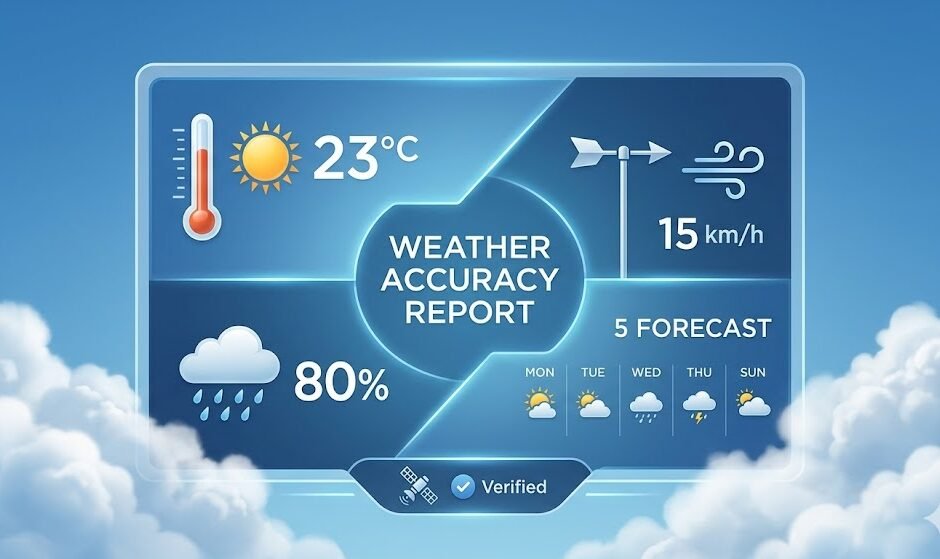

Severe weather can strike unexpectedly, affecting homes, travel plans, and personal safety. From heavy rainfall to powerful storms, timely information is crucial to staying prepared. Weather Accurate provides real-time updates on extreme weather conditions, helping individuals, families, and businesses make informed decisions.
Unlike traditional forecasts, these alerts are designed to notify users immediately when severe weather is approaching, including thunderstorms, flash floods, hail, or high winds. They are particularly useful in urban areas where storms can intensify quickly. By using it, people gain an advantage in planning their day, protecting property, and reducing the risks associated with severe weather.
This article tells the features, benefits, and importance of these alerts, how they compare to hourly and live forecasts, and why integrating them into daily planning is essential.
1:Weather Accurate Rain and Storm Alerts
Weather Accurate are advanced notifications that rely on satellite data, radar, and meteorological models to predict the likelihood of storms and heavy rainfall in specific areas. These alerts are often delivered through apps, websites, or messaging services.
Unlike general weather reports, which provide conditions for a large region, rain and storm alerts focus on localized impacts. This precision helps users take proactive measures, such as rescheduling outdoor events, reinforcing property, or avoiding travel during high-risk periods.
These alerts are typically categorized by severity levels. For example:
- Advisory: Mild storms expected, minor disruptions possible
- Watch: Storm conditions likely, stay alert
- Warning: Severe weather imminent, take immediate action
Important Things to Know: By understanding the category of the alert, users can prioritize safety measures and minimize disruption.
2:Main Features of Weather
1. Real-Time Notifications
One of the main benefits of these alerts is the ability to receive weather accurate live updates. Real-time notifications ensure users are informed the moment conditions change. For example, a sudden thunderstorm or flash flood alert can appear on a smartphone, allowing immediate action to protect life and property.
2. Hourly Forecasts Integration
Alerts are often combined with weather accurate hourly forecasts, giving users an overview of the next few hours. This combination allows people to:
- Plan commutes safely
- Adjust outdoor schedules
- Monitor storm progression
Hourly updates also provide precise temperature, wind speed, and rainfall predictions, which are essential for decision-making in high-risk situations.
3. Detailed Regional Coverage
Many alert systems provide city-level information. For instance, residents of New York City can receive warnings specific to their neighborhood while also accessing the NYC weather forecast 14 days for planning ahead. Long-range forecasts give context, while local alerts provide immediate actionable guidance.
4. Customizable Alerts
Users can customize alerts based on their preferences. Some may want notifications only for heavy rainfall, while others may prioritize severe winds or thunderstorms. Customization ensures relevant alerts without overwhelming users with unnecessary information.
5. Multi-Platform Accessibility
Alerts are accessible through multiple platforms:
- Mobile apps
- Desktop websites
- Email or SMS notifications
- Smart home devices
This flexibility ensures that users stay informed no matter where they are or what device they are using.
3:Top Reasons to Use Weather Alerts
1. Enhanced Safety
The primary advantage of it is improved safety. Individuals and families can take precautions before a storm hits, such as securing loose items, avoiding flood-prone areas, and preparing emergency supplies.
2. Reduced Travel Disruptions
Storms can cause traffic accidents, flight delays, and public transportation interruptions. By receiving early alerts, commuters can adjust their travel schedules or choose alternate routes, minimizing risks and delays.
3. Property Protection
Severe storms often damage homes and vehicles. Early alerts allow property owners to reinforce structures, move vehicles to safe locations, and take preventive measures against water or wind damage.
4. Agricultural Benefits
Farmers rely heavily on timely weather information. Rain and storm alerts help them protect crops, manage irrigation schedules, and plan harvesting activities to reduce losses.
5. Event Planning Efficiency
Outdoor events, such as weddings, concerts, and sports matches, are vulnerable to storms. Organizers can make informed decisions about rescheduling or relocating events to avoid disruption and ensure attendee safety.
4:Potential Limitations
While it provides significant benefits, users should be aware of limitations:
- Prediction Accuracy: While highly reliable, meteorological models are not perfect. Rapidly developing weather systems may occasionally produce false alarms or missed events.
- Over-Reliance: Relying solely on alerts without monitoring visual or local conditions can be risky. Users should always stay vigilant during severe weather.
- Notification Fatigue: Frequent alerts may desensitize users, leading some to ignore critical warnings. Customization and prioritization help reduce this risk.
5:How Alerts Differ from Forecasts
it differ from standard forecasts in several ways:
- Real-Time Focus: Alerts deliver immediate notifications, while daily forecasts provide general predictions for the entire day.
- Severity-Specific: Alerts categorize storms by intensity, whereas regular forecasts may not emphasize severity.
- Localized: Alerts are tailored to neighborhoods or cities, while general forecasts often cover broader regions.
Key point to know:Integrating alerts with weather accurate hourly data creates a comprehensive weather awareness system. Users can understand both the timing and intensity of storms, enhancing preparedness.
6:Effective Alert Strategies
- Enable Notifications: Ensure your device settings allow alerts to appear instantly.
- Check the Source: Use reliable providers of it for accurate information.
- Combine with Long-Term Forecasts: Refer to the NYC weather forecast 14 days or similar long-range reports to plan future activities.
- Follow Safety Guidelines: Alerts are most effective when combined with local emergency instructions and personal safety measures.
- Stay Updated: Weather conditions can change rapidly; continuous monitoring ensures timely action.
7:Technological Advancements
Modern alert systems integrate artificial intelligence and machine learning to improve accuracy. These systems analyze historical weather patterns, radar data, and satellite imagery to predict storms with higher precision.
Cloud computing allows rapid data processing, ensuring its notifications reach users within seconds. Mobile apps often include interactive maps, showing rainfall intensity, wind direction, and storm trajectory.
These technological innovations make it more reliable than ever, giving users confidence in their daily planning and emergency response strategies.
8:Public Safety and Alerts
Alerts often integrate with local emergency services. For example:
- Schools and businesses receive notifications to delay opening
- Public transportation authorities adjust schedules to ensure safety
- Emergency responders are prepped to assist in high-risk areas
Important Things to Know:This community-level integration enhances overall public safety and reduces the impact of severe weather events.
Future Trends
Weather alert systems are continuously evolving. Future developments may include:
- Personalized storm predictions using GPS data
- Integration with smart home systems to automatically secure property
- AI-driven recommendations for outdoor activities based on real-time weather conditions
- Enhanced global coverage to include remote and rural areas
These trends indicate that it will become even more indispensable for daily life and emergency preparedness.
Bottom Line
Weather Accurate is an essential tool for staying safe during severe weather. They provide real-time notifications, integrate with weather accurate live and weather accurate hourly forecasts, and complement long-term planning using reports like the NYC weather forecast 14 days.
These alerts enhance personal safety and protect property, minimize travel disruptions, and support community preparedness. While users should be aware of limitations such as prediction inaccuracies and notification fatigue, following guidelines ensures optimal benefits.
By using it responsibly, individuals can remain informed, make timely decisions, and respond effectively to storms and heavy rainfall, keeping themselves, their families, and their communities safe.