
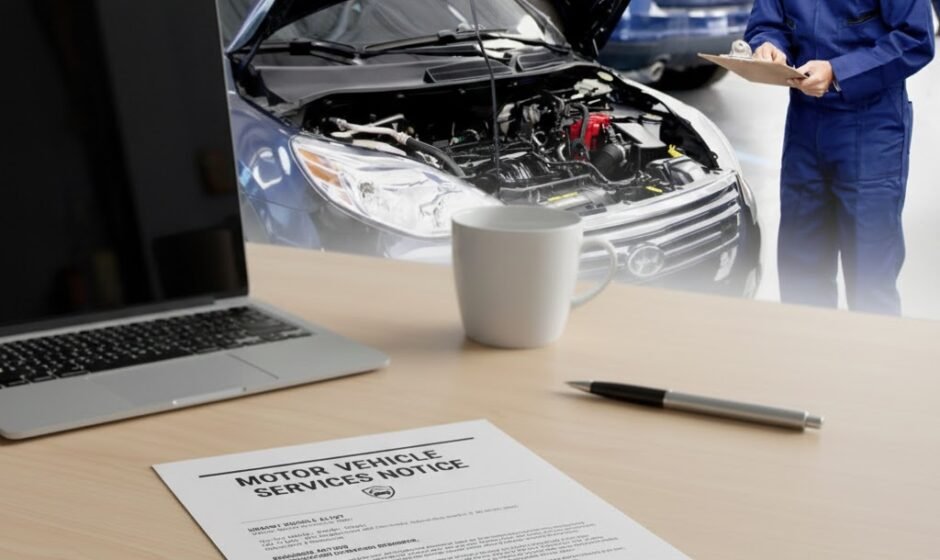

A Motor Vehicle Services Notice is something many vehicle owners in the United States receive through mail or email or even text messages. These notices often appear urgent with bold statements like “Immediate Response Required” “Warranty Expiring,” or “Final Notice.” While some are legitimate reminders from your dealership or warranty provider and many others are marketing letters or scams attempting to sell extended warranties.
This detailed guide explains everything you need to know about a Motor Vehicle Services Notice: what it is and how it works and what to ignore and what to respond to and how to protect yourself from misleading warranty messages.
What Is a Motor Vehicle Services Notice?
A Motor Vehicle Services Notice is a communication sent to vehicle owners informing them about their auto warranty status, maintenance reminders, recall alerts, or extended vehicle service contract offers. These notices may come from:
- Dealerships
Auto manufacturers - Warranty companies
- Third-party marketing agencies
- Scammers posing as official organizations
The purpose of the notice varies. Some are genuine service reminders, while others are aggressive marketing tactics to make vehicle owners purchase extended warranties or service plans they might not need.
Why Do Vehicle Owners Receive These Notices?
You might receive this notice for several reasons:
1. Dealership Service Reminders
Legitimate dealerships send reminders about oil changes, inspections, or scheduled maintenance.
2. Expiring Manufacturer Warranty
If your vehicle’s warranty is about to expire, the manufacturer or an authorized company may notify you.
3. Extended Warranty Sales
Many third-party companies buy your vehicle data and use it to send mass marketing letters to sell extended service contracts.
4. Public Records & Data Sharing
Your name, address, and car purchase data can be acquired through public DMV records or dealership service forms.
5. Scam Notices
Some notices are designed to look “official” even though they are not. Their goal is to create urgency and collect payments or personal information.
How to Identify a Legitimate Motor Vehicle Services Notice
Because most notices look official, it’s important to know how to verify authenticity.
Red Flags of Fake Notices
- No official dealership or manufacturer logo
- Statements like “IMMEDIATE ACTION REQUIRED”
- Return address appears generic or from another state
- Threatening language such as “You may lose coverage permanently”
- Asking for urgent payment
- Requests for sensitive information (VIN, credit card, Social Security number)
- Company name does not match your dealership
Signs of a Legitimate Notice
- Clear information about your vehicle (make, model, year)
- Contact information for your actual dealership
No pressure words like “urgent” or “expiring immediately” - Official branding from Ford, Toyota, Honda, Chevrolet, etc.
- VIN number partially displayed for security
- No demand for immediate payment
When in doubt, always call your dealership directly—not the number on the notice.
Why Motor Vehicle Services Notices Are So Common
These notices are widespread because vehicle data is extremely valuable, and marketing companies use it to target car owners. Reasons include:
1. High Profit on Warranty Plans
Extended warranties can cost $1,500–$5,000. Companies aggressively market them for profit.
2. Millions of Vehicles Go Out of Warranty Each Year
As warranties expire, companies target owners with “final notice” letters.
3. Easy Access to Public Records
Some states allow access to registration details, enabling mass mailing campaigns.
4. Scammers Use Fear Tactics
Urgent warnings push car owners to call without questioning the notice’s legitimacy.
What Does a Motor Vehicle Services Notice Usually Include?
Typical elements include:
- Your name and address
- Vehicle year, make, model
- Warranty expiration warnings
- A phone number to “activate coverage”
- A “Customer Service ID” or “Reference Number”
- Statements like:
- “Final Notice”
“Coverage Lapsing Soon”
“You May Be Financially Responsible for All Repairs”
- “Final Notice”
Always check the sender’s identity before taking action.
How to Respond to a Motor Vehicle Services Notice
1. Verify the Source
Call your dealership or manufacturer to confirm whether they sent the notice.
2. Avoid Calling Unknown Numbers
Many notices direct you to third-party warranty companies using unverified phone numbers.
3. Never Share Personal Information
Do not share your:
- VIN number
- Financial information
- Personal ID
4. Report Suspected Scams
You may report fraudulent notices to:
- FTC (Federal Trade Commission)
- Local DMV
- Better Business Bureau (BBB)
5. Keep Your Warranty Documents Updated
If your warranty is active, keep your documents safe to avoid false “final warning” claims.
Are Motor Vehicle Services Notices Scams?
Not always but many are.
Legitimate Notices
- Service reminders
- Recall notices
- Expiring manufacturer warranty alerts
Scam Notices
- Fake extended warranty offers
- High-pressure marketing
- Let ers designed to look “official” from DMV or dealership
Nearly 70% of notices are marketing letters disguised as official warnings.
How to Protect Yourself from Warranty Scams
Here are smart steps to stay safe:
1. Register Your Vehicle with the Manufacturer
This ensures you get genuine recall alerts.
2. Block Spam Calls and Texts
Use call-blocking apps or carrier spam filters.
3. Opt Out of Data Sharing at Dealerships
Request that your data not be shared for marketing.
4. Read Warranty Terms Carefully
Know what is covered before considering any extended contract.
5. Delete Emails from Unknown Sources
Never click suspicious links or attachments.
Is an Extended Vehicle Warranty Worth It?
It depends. Some benefits include:
Pros
- Protects against expensive repairs
- Helpful for high-mileage vehicles
- Provides peace of mind
Cons
- Many third-party companies deny claims
- High upfront cost
- Hidden fees and strict terms
Always compare warranty plans from your dealership before choosing any external provider.
When to Take Motor Vehicle Notices Seriously
Take action immediately if:
- The notice is from your dealership
- It mentions recalls (FREE repairs)
- You recently purchased a vehicle
- Warranty expiration is confirmed by your
Recall notices are especially important and must always be addressed.
Summary
A Motor Vehicle Services Notice can either be a helpful reminder or an aggressive marketing attempt. Understanding the difference between legitimate and fake notices protects your money, your personal information, and your vehicle. Always verify the sender, avoid responding to unfamiliar numbers, and depend only on your dealership or manufacturer for official information. By recognizing warning signs and making informed decisions, you can stay protected from scams and maintain your vehicle with confidence.